
A good private label beer does not begin with a label file or a target price. It begins with a flavor brief that a brewer can actually brew, measure and repeat. Buyers often send a sentence such as “a smooth premium lager with a little more character,” then feel frustrated when three factories return three very different samples. The problem is not usually the brewery. The brief left too much room for interpretation.
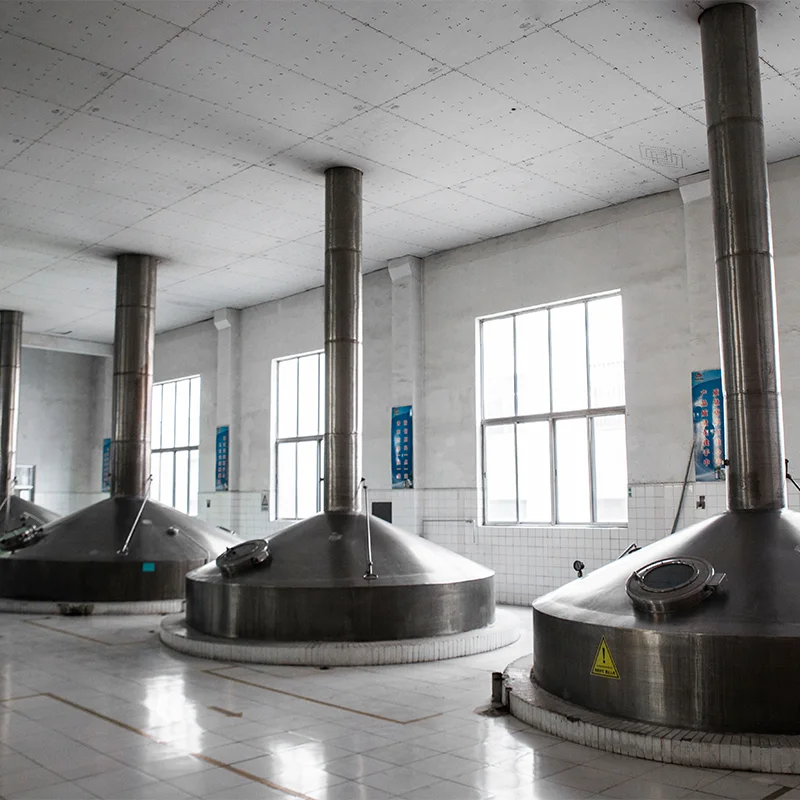
This guide turns a brand idea into a practical OEM beer flavor brief. It covers sensory language, technical targets, market constraints, sample rounds and the decisions that should be frozen before a production quote is compared. The aim is a beer that tastes intentional on the first shipment and familiar on the tenth.
Contents
1. Start with the Drinking Occasion
Before choosing a hop or malt, describe where the beer will be consumed. A 330 ml can for convenience stores needs a different balance from a 500 ml bottle served with a meal. Note the climate, serving temperature, glassware, food pairing and expected drinking pace. These details help a brewer decide whether “refreshing” should mean a lighter body, higher carbonation, a cleaner finish or simply lower bitterness.
Define the buyer in plain terms: a supermarket shopper trading up, a bar customer ordering a second pint, a hotel minibar guest, or a distributor looking for a dependable house lager. This is more useful than an adjective such as “premium,” which says nothing about the sensory result.
2. Write Sensory Targets That Mean Something
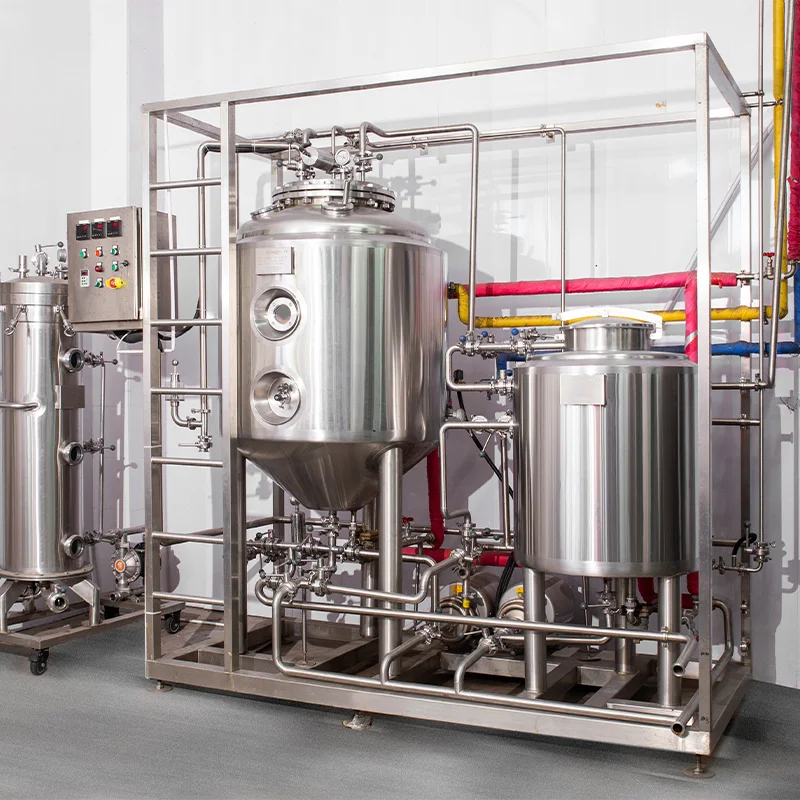
Use a short sensory map with three levels: must have, acceptable range and do not want. For a pale lager, an example might read:
- Aroma must have: clean grain, light floral hop, no harsh solvent note.
- Palate range: crisp bitterness, medium-light body, dry finish, moderate carbonation.
- Do not want: heavy caramel sweetness, rough bitterness, obvious diacetyl or oxidation.
Ask the brewery to taste against the same reference beers. A named commercial reference is not a request to copy a formula; it is a shared sensory anchor. Record the serving temperature and container because cold cans can hide aroma that is obvious in a tasting glass.
3. Add Technical Guardrails
Sensory language needs numbers to survive production. Include target original gravity, final gravity, alcohol by volume, bitterness range, colour range, pH and carbonation. These should be ranges, not false precision. For example, an ABV target of 4.8% with an agreed tolerance is more useful than demanding exactly 4.80% every time.
Also define the release tests that matter in your market: microbiology, package integrity, dissolved oxygen, fill volume and date coding. The beer quality-control guide shows how a sensory promise connects to factory checks.
4. Make Ingredient Choices Visible
A flavor brief should state whether the product is all-malt, uses adjunct grains, contains natural flavor, or must avoid a particular allergen. If the brand story depends on rice, wheat, specialty malt or a named hop family, say so. If the ingredient is optional, label it as optional; otherwise a buyer may compare quotations built on different recipes.
Ask how substitutions are approved. Hops and malt can change by crop year, and a sensible brewery may need an approved equivalent. Require notice, a reason for the change and a sample or analysis when the substitution could affect taste, label claims or regulatory declarations.
5. Manage Sample Rounds
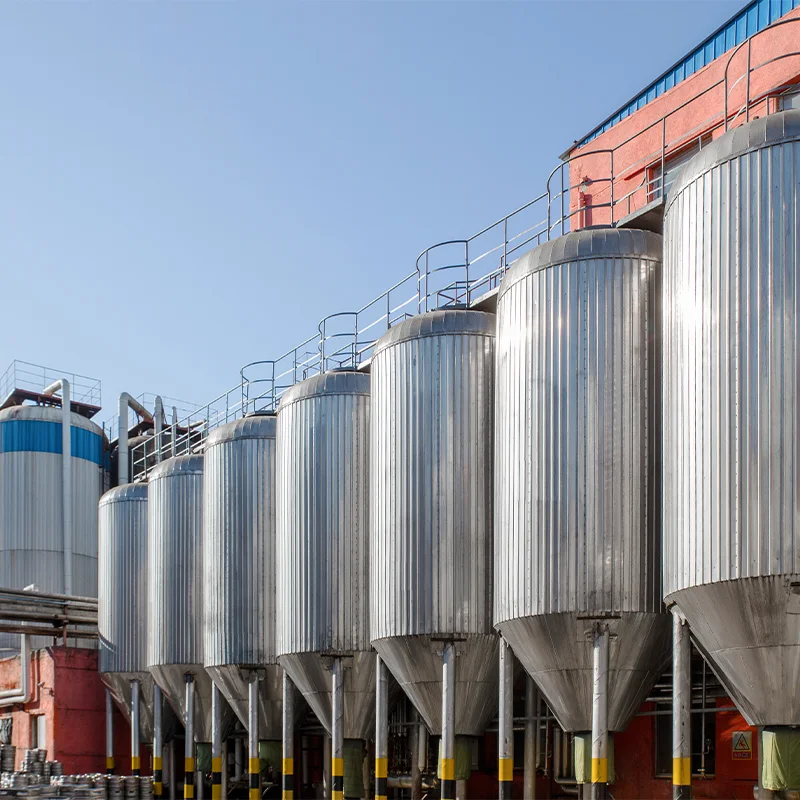
Limit the first round to the decisions that really matter: drinkability, bitterness, body, aroma and appearance. Give structured feedback within a few days. “Make it better” forces another guess; “reduce sweetness after the first sip and keep the same aroma” gives the brewer a direction.
When a sample is approved, keep a retained bottle or can, tasting notes, recipe revision and analysis together. That reference is the sensory contract for the next sample and the first production trial. Approve the sample in the final package where possible, because can lining, light exposure and carbonation change the drinking experience.
6. Protect the Profile at Scale
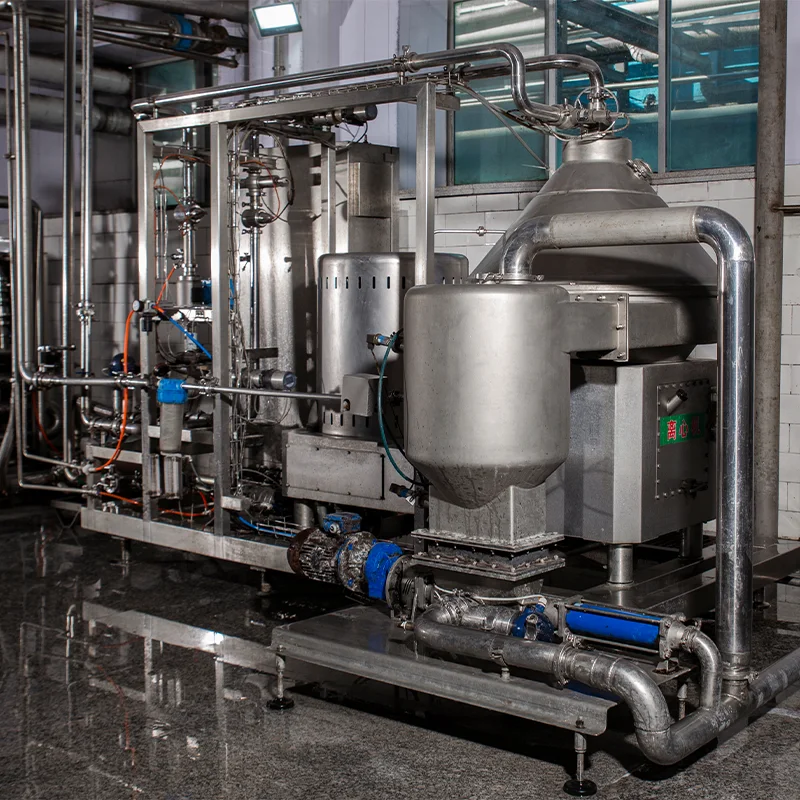
A pilot recipe can taste excellent and still need adjustment at production volume. Ask what changes between pilot and commercial brewhouse: mash geometry, boil intensity, yeast pitch, fermentation vessel size, filtration and packaging speed. The answer is not a reason to distrust the factory; it is a reason to agree on the scale-up checks.
For the first commercial batch, request a pre-release tasting, the batch analysis and a retained sample. Compare them with the approved reference. If a deviation is accepted, record it rather than silently changing the “golden” profile.
7. A Usable One-Page Brief
Your final brief should fit on one page plus an attached specification sheet:
- Brand, market, channel and drinking occasion;
- Package size, serving format and expected shelf life;
- Must-have, acceptable and unwanted sensory notes;
- ABV, IBU, colour, pH, carbonation and fill targets;
- Ingredient, allergen and claim requirements;
- Reference beers and sample feedback protocol;
- Quality tests, release documents and change-control rules;
- First order, forecast, target launch date and packaging constraints.
For the commercial part of the brief, link these requirements to a complete private label beer RFQ. That makes the recipe, packaging and delivery assumptions visible in the same conversation.
A Simple Tasting Scorecard
Use a five-line scorecard for each sample: aroma, first sip, mid-palate, finish and package impression. Score each from one to five, then write one sentence describing the change required. For example: “Aroma 4, first sip 3, mid-palate 3, finish 2, package 4; reduce the sweet finish without increasing bitterness.” This format stops a group tasting from becoming a debate about personal vocabulary.
Record who tasted the beer, the serving temperature, the sample code and whether the sample was blind. Keep the scorecard with the recipe revision. When a buyer later asks why sample three was approved, the decision is visible rather than dependent on memory.
8. Questions Buyers Ask
Should the brief specify a recipe?
Usually specify the result and the non-negotiable ingredients, then let the brewery propose a process. A fixed recipe can prevent a useful improvement unless the brand owns a protected formula.
How many samples are normal?
Two or three focused rounds are reasonable for a standard lager. Endless rounds usually mean the target was never written clearly or the decision maker is changing.
How do I avoid a “good sample, different shipment” problem?
Use a retained reference, agreed analytical ranges, pre-release tasting and written change control. Those four items create continuity across batches.