
Packaging is the last fast-moving part of beer manufacturing and one of the easiest places to lose margin. A good liquid can arrive at the warehouse with a leaking seam, crooked label, weak carton or unreadable date code. The solution is not to inspect only the finished pallet. It is to understand the line, identify the points that can fail and agree what the factory checks at each one.
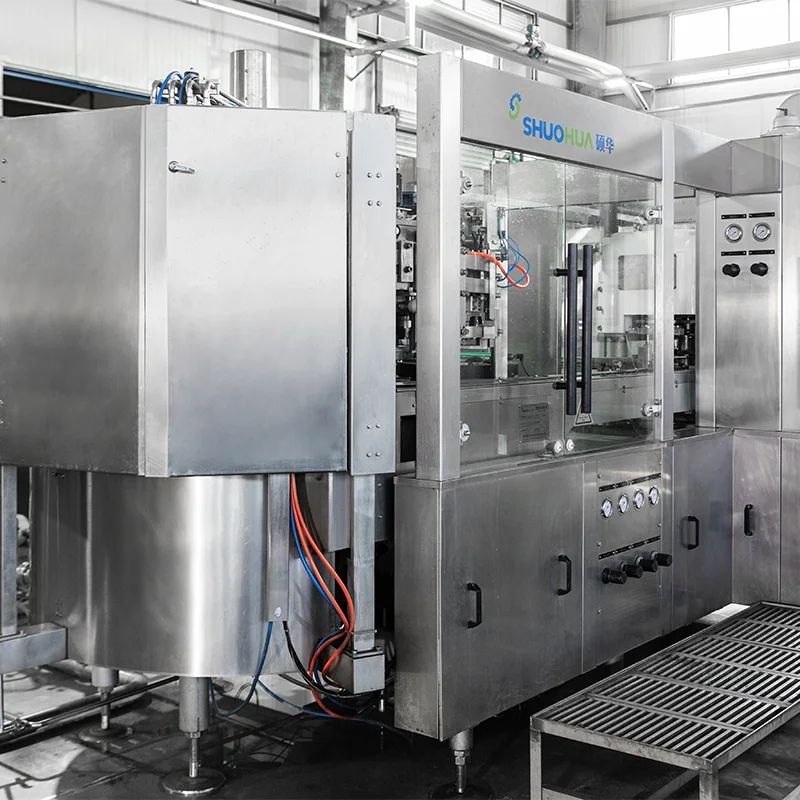
This guide follows a typical can and bottle packaging journey. It is written for importers choosing a package, approving artwork or preparing a pre-shipment inspection.
Contents
1. What Happens on the Line
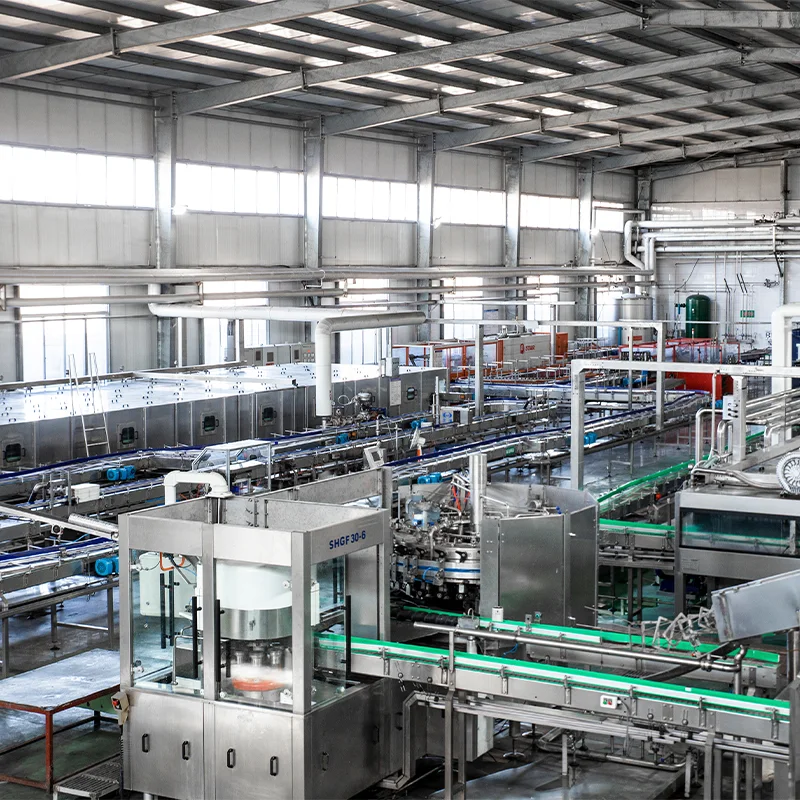
Depending on the format, the line may depalletize empty containers, rinse them, fill, seal, inspect, code, label, pack into cases, palletize and wrap. Each transition introduces a different risk. A buyer should ask which steps are automated, which are visually checked and where samples are pulled for laboratory or destructive testing.
Format changes matter. A line set for one can diameter or bottle shape may require new change parts and a longer setup. Confirm the approved package specification, line trial timing and responsibility for artwork or tooling before booking a production date.
2. Filling and Dissolved Oxygen
Fill volume is obvious to the customer, but oxygen pickup is often invisible until the beer tastes tired. Ask how the brewery controls purge, filling temperature, foam management and closure timing. The exact limit should come from the product specification and process capability rather than a copied number.
At inspection, sample from the beginning, middle and end of the run. A single case from the pallet may not represent the whole shift. Record container type, sample time and lot code so the result can be traced.
3. Can Seam Integrity
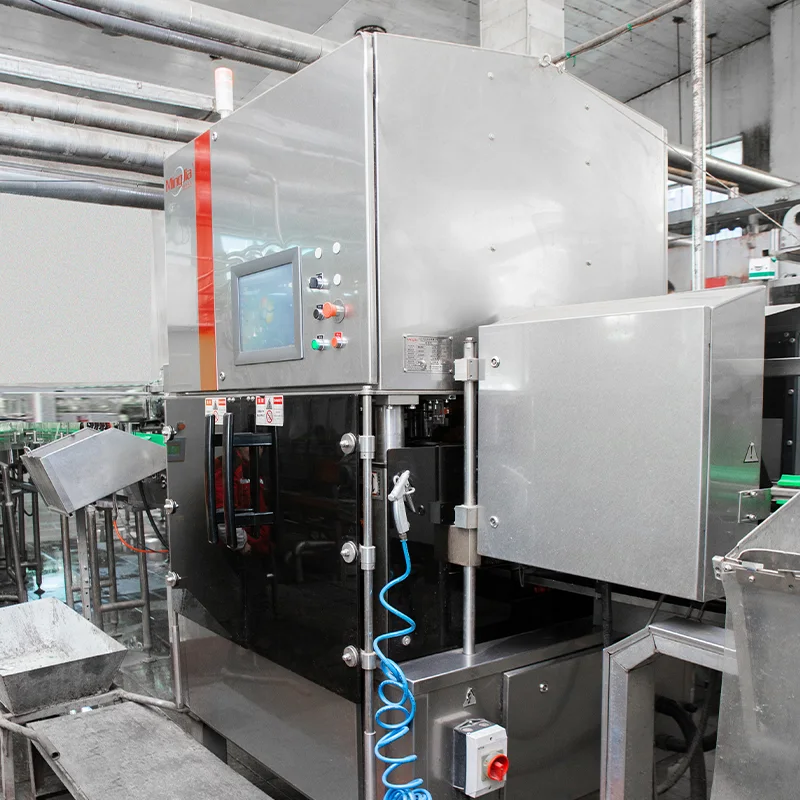
For cans, the double seam is the primary barrier. The brewery should have a seam inspection routine that covers dimensions, overlap, tightness and visual defects. Ask how often checks are performed, what happens after a failed result and how the affected product is isolated.
Do not treat “the can looks fine” as a seam test. A seam can be visually acceptable and still fall outside the agreed specification. The final inspection report should identify the method and sample size.
4. Labels and Coding
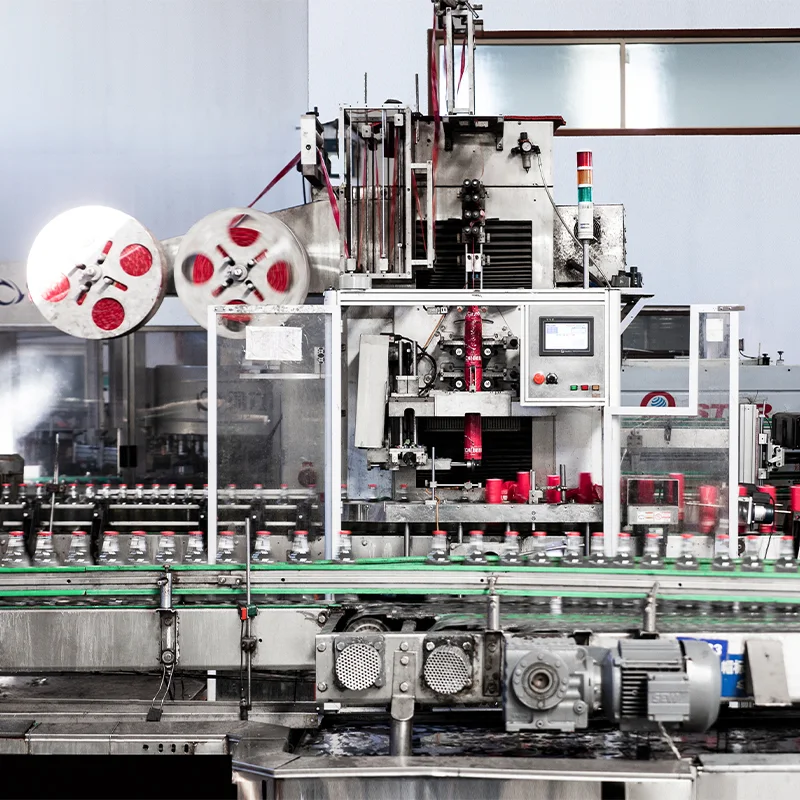
Approve a physical or production-quality proof, not only a PDF. Check the label’s substrate, adhesive, colour, barcode quiet zone, language, allergen statement, net volume, alcohol declaration, importer details and recycling marks. Confirm how the best-before date and lot code are printed, where they appear and whether they remain legible after chilling or condensation.
Have the factory send a close photograph of the first approved coded package and retain it with the artwork approval. This small habit prevents disputes when a code is technically present but hidden under a case flap.
5. Cartons, Film and Pallets
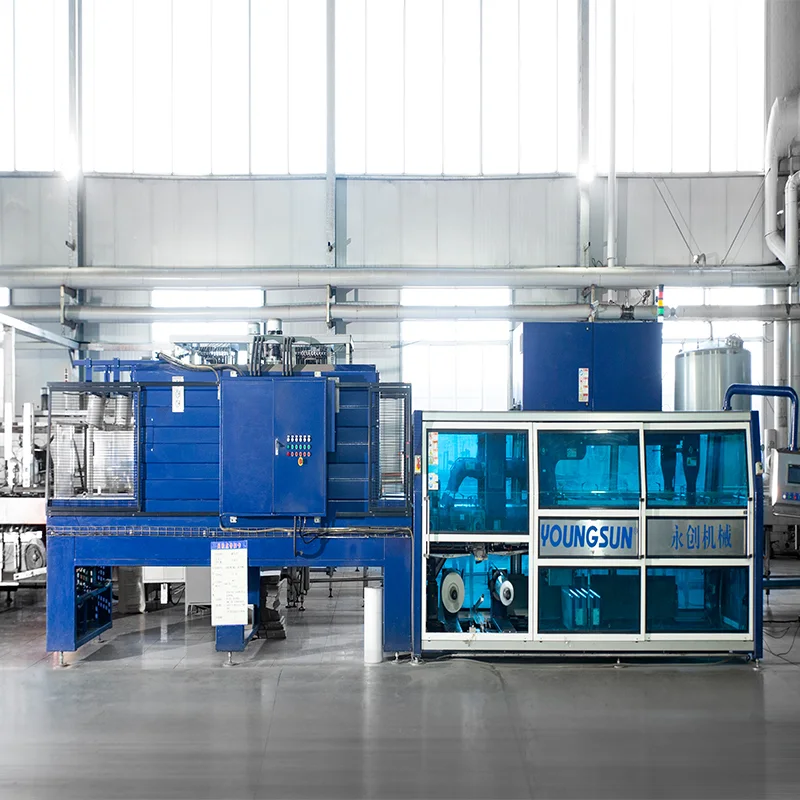
Carton board strength, internal dividers, case count, film tension and pallet pattern all belong in the packaging specification. A carton designed for a dry domestic route may not survive a humid port, long ocean transit and repeated cross-docking.
Review the pallet diagram before production. It should show cases per layer, layers per pallet, pallet height, gross weight and any corner or top protection. Confirm whether mixed SKUs are permitted and how each pallet is identified.
6. A Practical Inspection Plan
- Artwork approval: verify every legal and commercial detail against the destination market.
- Line trial: inspect format changeover, fill, code, label and pack appearance.
- During production: sample at multiple time points and record lot codes.
- Pre-shipment: check random cases, pallet stability, count, documentation and photographs.
- Receiving: quarantine damaged or questionable pallets until the disposition is agreed.
The private label packaging guide and container loading guide can be used together when the package specification is converted into a shipping plan.
7. Choosing Cans or Bottles
Cans are often efficient for pallet density, light protection and modern retail handling. Bottles can support a different brand story and serving ritual, but they introduce glass weight, breakage and label or closure considerations. The right choice depends on channel, price point, consumer expectation and transport conditions.
Ask for a costed comparison that includes the container, closure, label, case, pallet, freight impact and damage risk. Comparing only the empty package price gives an incomplete answer.
Questions for the Line Trial
During the first line trial, ask the supervisor to demonstrate the checks rather than simply confirm that they exist. Where is the fill-volume sample taken? How is a seam defect isolated? What happens when a barcode does not scan? Who signs the first approved coded package? The answers reveal how the line behaves under pressure.
Photograph the approved container, case mark and pallet label together. Keep those images beside the packing specification. They become a quick reference for receiving teams and help identify an old artwork revision before it reaches the shelf.
Put the Packaging Checks in the Specification
Write the line checks into the purchase specification: acceptable fill range, seam or closure method, code position, label tolerance, case count, pallet pattern and damage criteria. Define who pays for rework when an approved artwork revision is not used. When the checks are written before production, the factory and buyer share the same definition of “finished.”
For a first shipment, consider an independent inspection or a joint video inspection at the end of the run. Review random cases from different pallets, then compare the findings with the factory’s own record. The purpose is learning and alignment; the process can become lighter once the supplier demonstrates consistent control.
8. FAQs
How many samples should a pre-shipment inspection include?
Use a risk-based plan agreed with the buyer and factory. Samples should come from different pallets or production times when possible, not from one convenient carton.
Can the factory change a label supplier?
Only under the agreed change-control process. A supplier change can affect colour, adhesive, barcode readability or regulatory text reproduction.
What photos should the factory provide?
Request coded finished packages, case markings, pallet pattern, container loading and any nonconformance. Photos support the record but do not replace agreed tests.