
A factory visit should answer practical questions that a website cannot: does the stated equipment exist, can the team explain its process, are quality records used in daily work, and does the production plan match the brand’s promised delivery? A good visit is not a ceremony. It is a focused due-diligence exercise that leaves the buyer with evidence and clear next steps.
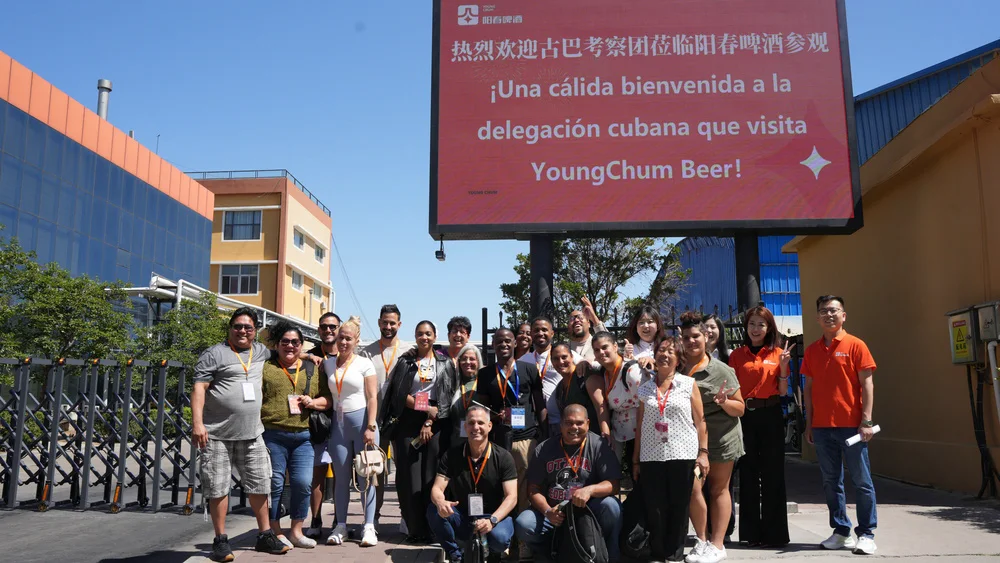
This checklist is written for international buyers visiting a Chinese beer manufacturer, or for buyers arranging a remote factory audit when travel is not possible.
Contents
1. Prepare Before Arrival
Send a short agenda and the SKU brief in advance. Include package, forecast, target launch date, destination market, quality documents, artwork status and questions about MOQ or lead time. Ask the factory to identify the people responsible for brewing, packaging, quality, export documents and scheduling.
Bring a comparison sheet. Record the same evidence at every factory: line type, tank availability, laboratory capability, package format, quality release, change control and export experience. A visit becomes less useful when each supplier is judged by a different standard.
2. Meet the Right People
The sales contact is important, but the buyer should also meet an operations manager, quality lead, packaging supervisor and export-document owner. Ask each person to explain one part of the proposed order. The answers should fit together.
Notice whether people can discuss a problem without hiding behind slogans. A credible factory can say what it controls well, where the limits are and how an exception is handled.
3. Walk the Process
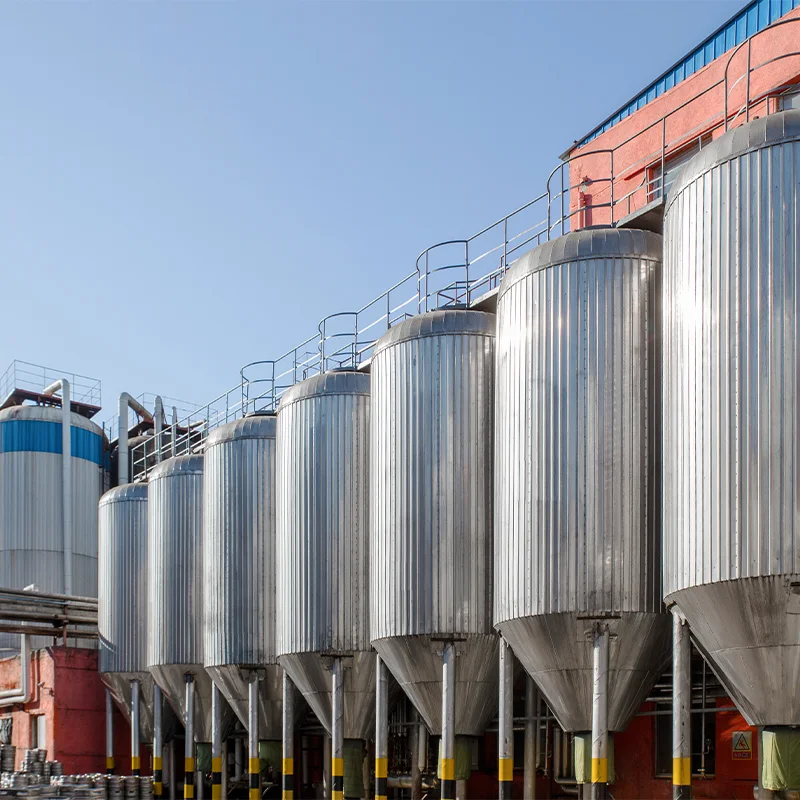
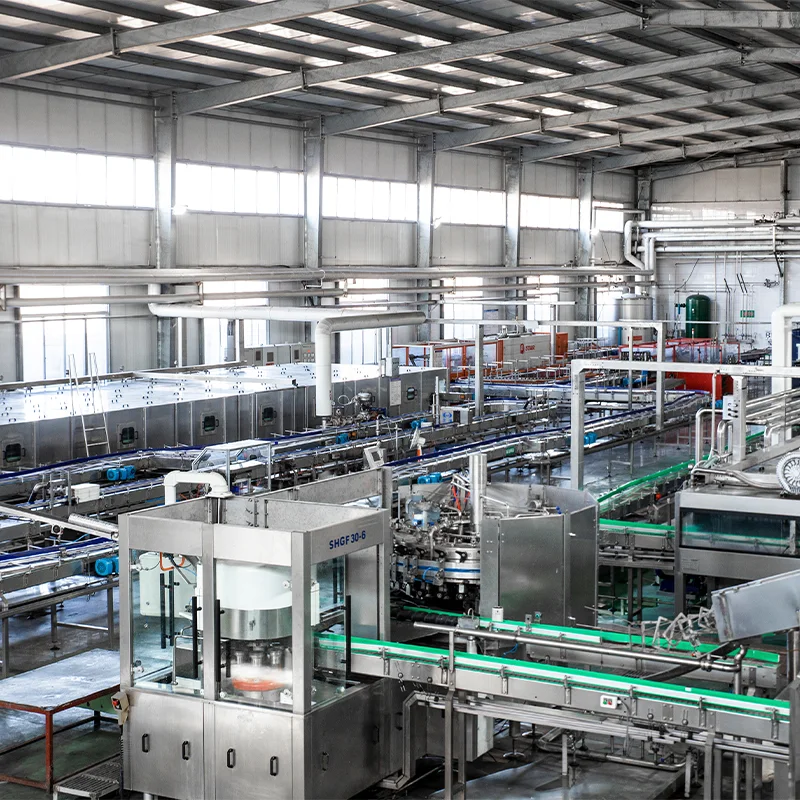
Walk from raw materials to brewhouse, fermentation, clarification, packaging, finished-goods storage and loading. Check housekeeping, identification, traffic flow, cleaning practices and separation of released and unreleased product.
Ask where the buyer’s product would fit. A factory may have impressive total capacity but no available packaging window for the required can format or launch month. Request a realistic production path rather than a headline annual volume.
4. Test the Quality Story
Ask to see a recent batch record, a certificate of analysis, a retained sample and an example of an out-of-specification investigation. Sensitive customer information can be redacted. The aim is to see whether records are real, traceable and used.
Compare the laboratory’s stated tests with the product specification. Ask how incoming packaging is checked, how samples are stored and who authorizes release. The factory quality-control guide offers a useful question list.
5. Check Capacity and Planning
Capacity is more than the number of tanks. Confirm brewhouse size, fermentation schedule, packaging speed, changeover time, pallet configuration, cold storage and loading capability. Ask what happens during the busiest season and how the factory protects confirmed production.
Review the supply chain for printed cans, labels, cartons and closures. Packaging materials can become the critical path even when liquid capacity is available.
6. Record Evidence
- Photograph equipment and identification signs where permitted;
- Note line model, format, speed range and changeover assumptions;
- Record the names and roles of interviewees;
- Keep copies or photographs of sample documents with confidential data removed;
- Write down every promised follow-up, owner and due date.
Use photos to support the record, not to replace written verification. A picture of a tank does not prove its availability for the buyer’s shipment.
7. Turn Notes into Decisions
Within two days, classify findings as confirmed, open, or not verified. Ask the factory to answer open items in writing. Then update the RFQ, quality agreement, production schedule and risk register.
A visit should end with a decision gate: proceed to sample, request a corrective action, compare another factory, or stop. The private label RFQ checklist helps turn the visit into a comparable commercial request.
A Simple Visit Scoring Matrix
After the visit, score each factory from one to five on process transparency, relevant capacity, package readiness, laboratory evidence, export-document experience, communication and commercial fit. Keep the score separate from hospitality. A warm welcome is valuable, but it is not evidence of a controlled batch.
Write one proof point beside every score. “Four—saw current COA and retained sample” is useful; “four—felt professional” is not. Send open questions to the factory and update the score only after evidence arrives. This creates a defensible supplier decision for colleagues who could not travel.
Verify the Commercial Promise
Before leaving the factory, reconcile the commercial promise with what you saw. If the quotation includes custom packaging, ask to see the relevant labeler, printer or case equipment. If the launch date is fixed, identify the production window and material deadline. If the factory promises frequent mixed-SKU shipments, ask how the pallet and loading plan works in practice.
Request a written action list with owner and date. A visit is complete when open items have an answer, not when the last photograph is taken. This discipline makes the next sample, quotation and production meeting much more efficient.
8. FAQs
Can a remote audit be useful?
Yes, if the camera follows the same process route, documents are shown live, and follow-up evidence is requested. A polished video alone is not an audit.
Should I inspect every tank?
Focus on the equipment assigned to the proposed beer and package, then verify the broader flow. The goal is relevance, not a collection of photographs.
What is a red flag?
Inconsistent answers about product identity, no clear released-versus-unreleased status, reluctance to show routine records, or a promise that ignores packaging and shipping constraints.