
Fermentation is where a brewery’s raw materials become a drinkable beer, but importers rarely see the process clearly in a quotation. They see a style name, an alcohol percentage and a delivery date. The practical questions are deeper: how is the yeast managed, what happens when fermentation runs faster or slower than planned, and how does the factory know a tank is ready to move on?
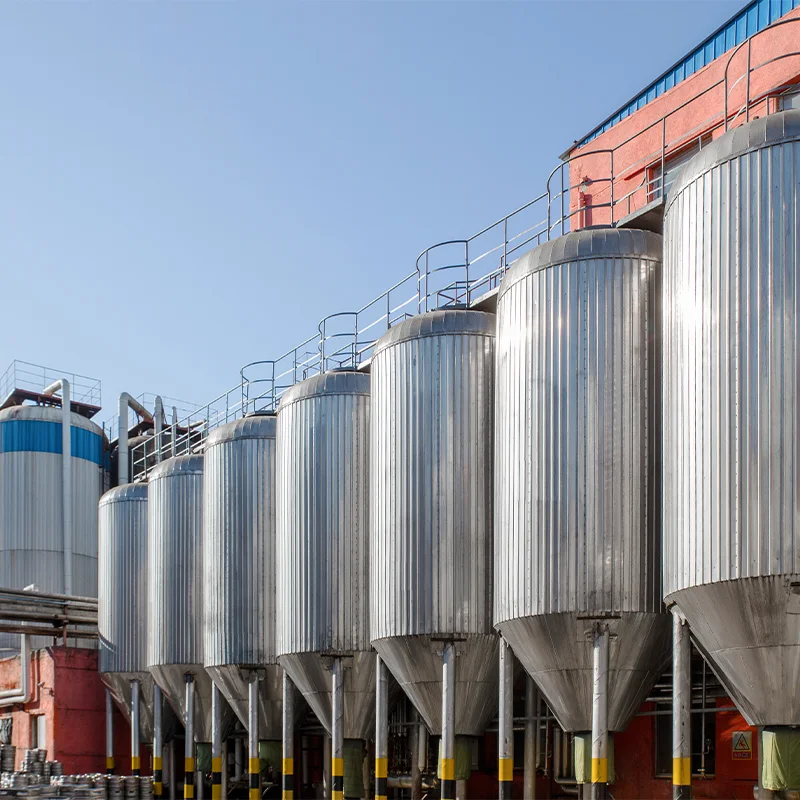
Understanding the stages does not turn a buyer into a brewer. It helps the buyer ask sensible questions, compare factories on the same basis and recognize the difference between a real production plan and a marketing description.
Contents
1. The Fermentation Workflow
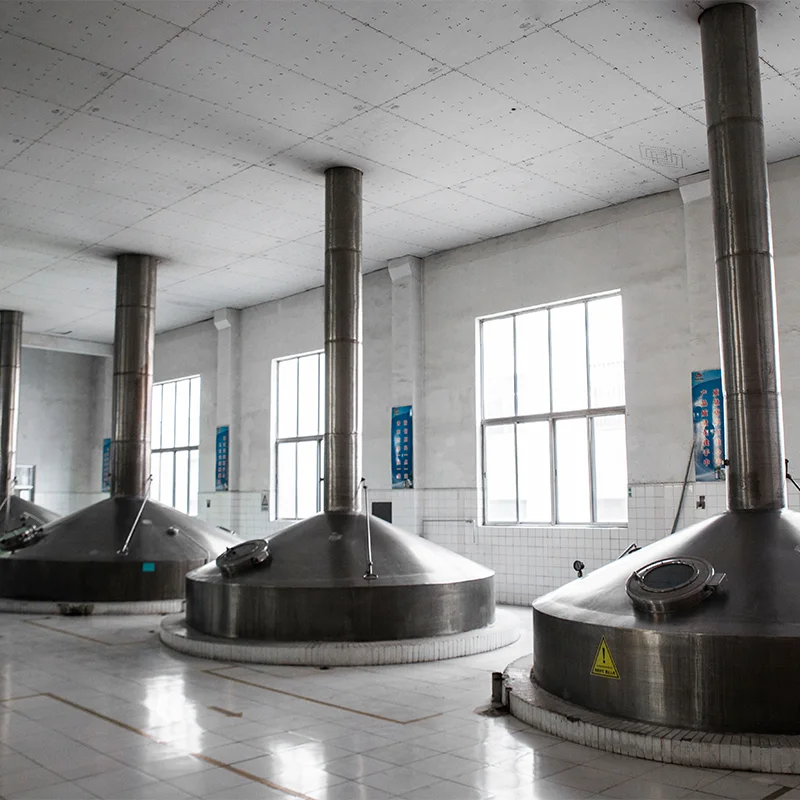
After milling, mashing and lautering, the brewery produces wort. Boiling develops bitterness and sterilizes the wort; cooling prepares it for yeast. The yeast is pitched into a controlled vessel, where it converts sugars into alcohol, carbon dioxide and many flavour compounds. The beer then enters a maturation period before clarification, carbonation and packaging.
These stages overlap in a commercial brewery. A production manager is scheduling tanks, yeast collection, cleaning, laboratory checks and packaging windows at the same time. A buyer should therefore ask for the full critical path rather than assuming “brewing day” equals “ready-to-ship day.”
2. Yeast Is a Production Asset
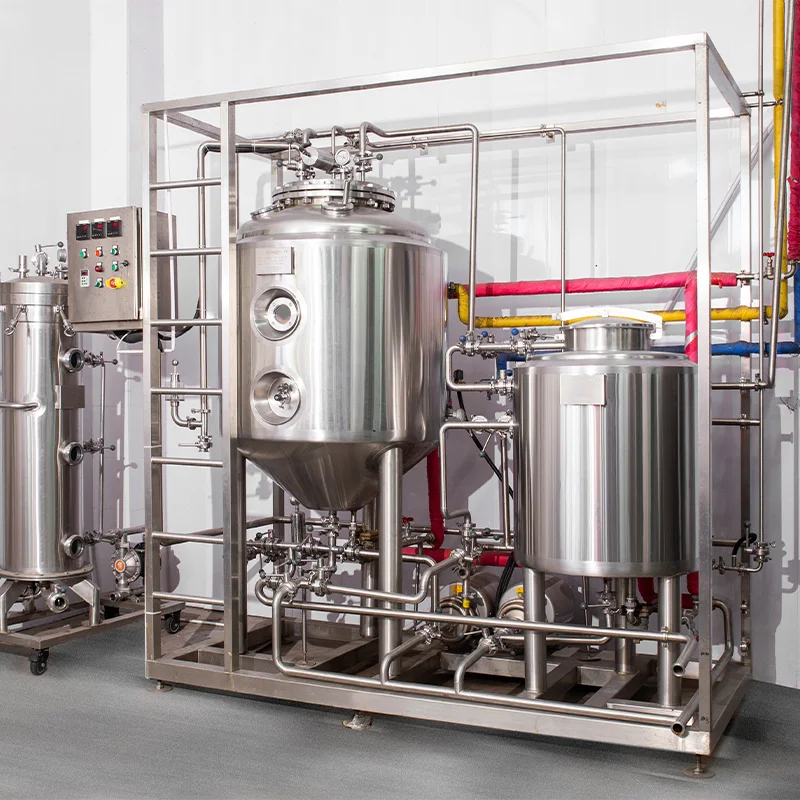
Ask which yeast family is used, whether the yeast is propagated or pitched from a prepared culture, and how many generations are normally reused. A brewery does not need to disclose every proprietary detail, but it should be able to explain how it controls yeast vitality, contamination risk and flavour consistency.
Yeast handling can change the beer’s finish. Under-pitching may produce a slower or more expressive fermentation; over-pitching can change the profile and shorten the expected time. The relevant buyer question is not “is the yeast fresh?” It is “what checks show that the yeast is fit for this batch?”
3. Temperature and Gravity Control
Temperature is not a single setting. A fermentation may begin with one target, then change as gravity falls. The brewery should be able to show how temperature, pressure and gravity are monitored, who reviews trends and what action is taken when a batch stalls.
Request a batch record or summary showing original gravity, final gravity and the time between them. A stable final gravity is more meaningful than a calendar promise. If a beer is packaged before it has reached its intended attenuation, sweetness, carbonation and package stability can all be affected.
4. Why Maturation Needs Time
Maturation lets yeast and suspended compounds settle while rough notes soften. The required time depends on style, alcohol, filtration choice, temperature and the brewery’s process. A pale lager that is meant to taste crisp may need a different schedule from a hazy or high-gravity product.
When a factory says “short maturation,” ask what quality evidence supports the schedule. A shorter cycle may be valid for a particular process, but it should be demonstrated through sensory comparison, stability results and a retained-sample program rather than a blanket claim.
5. Separation, Filtration and Stability
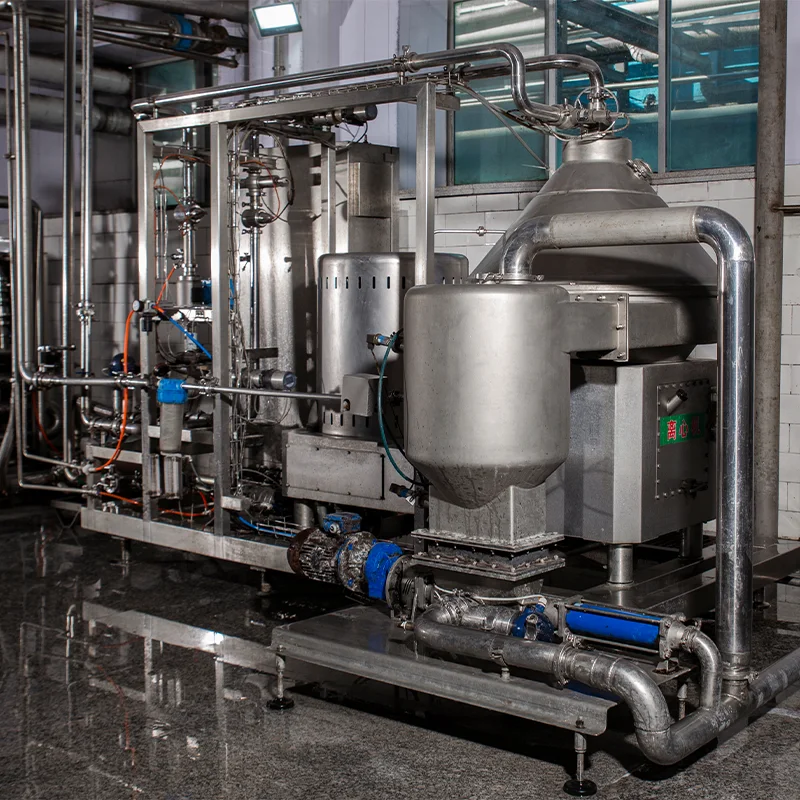
Beer can be clarified through settling, centrifugation, filtration or a combination. The choice affects brightness, flavour retention, yield and package stability. A buyer who wants a bright lager should confirm the visual target and the test method; “clear” can mean different things to different people.
Ask whether pasteurization, sterile filtration or another stability step is used, and how it interacts with the brand’s positioning. The production lead-time guide explains why these checks belong inside the schedule, not after a vessel is already booked.
6. What to Request Before Release
A sensible batch-release file may contain the lot number, production and best-before dates, final gravity or attenuation result, ABV, IBU or bitterness check where applicable, pH, microbiology, sensory approval, package integrity and a certificate of analysis. It should also identify the approved specification and any deviation or rework.
Keep the release file linked to the container and customer order. If a complaint appears months later, the importer should be able to trace the can back to the lot, the analysis and the release decision.
7. Factory Questions Worth Asking
- What defines “fermentation complete” for this SKU?
- How are tank temperature, pressure and gravity recorded?
- How is yeast vitality checked before pitching?
- What is the normal maturation window and what can extend it?
- Which clarity or stability step is used before packaging?
- Who approves a deviation from the agreed schedule or specification?
- What batch documents arrive before the container is released?
Reading a Brewery Schedule
Ask the brewery to show a representative schedule from wort production to container loading. Mark the points where a batch can wait: tank availability, laboratory release, filtration, packaging changeover, carton supply and export booking. Those waiting points are more useful than a single promise such as “production takes ten days.”
Agree which events trigger a buyer update. A delayed fermentation, a failed package check or a late printed-can delivery should be communicated before it becomes a missed vessel. A short weekly status note with batch, lot, next gate, owner and risk is usually enough.
Buyer Red Flags in a Fermentation Plan
Be cautious when a supplier quotes a delivery date but cannot explain the tank sequence behind it. Other warning signs include a final-gravity target with no stated method, a maturation period that changes whenever the vessel is busy, or a quality release that happens only after the container is loaded. None of these proves that the beer will fail, but each deserves a written answer before a deposit is paid.
Ask for one recent, anonymized batch timeline. It should show the actual start and finish of brewing, fermentation, maturation, packaging, release and loading. Compare it with the proposed schedule and identify which assumptions are firm. This turns a sales promise into a plan that can be monitored.
8. FAQs
Is longer fermentation always better?
No. The right schedule is the one that produces the agreed sensory and analytical result consistently. More time is not automatically more quality, but unexplained shortcuts are a risk.
Can an importer request a tank sample?
Discuss the timing and sample method with the brewery. A tank sample can help with process review, but the packaged product and final release tests remain the commercial reference.
What should I compare between factories?
Compare the control system, batch records, laboratory release, schedule transparency and change-control process—not only the vessel count or quoted price.